


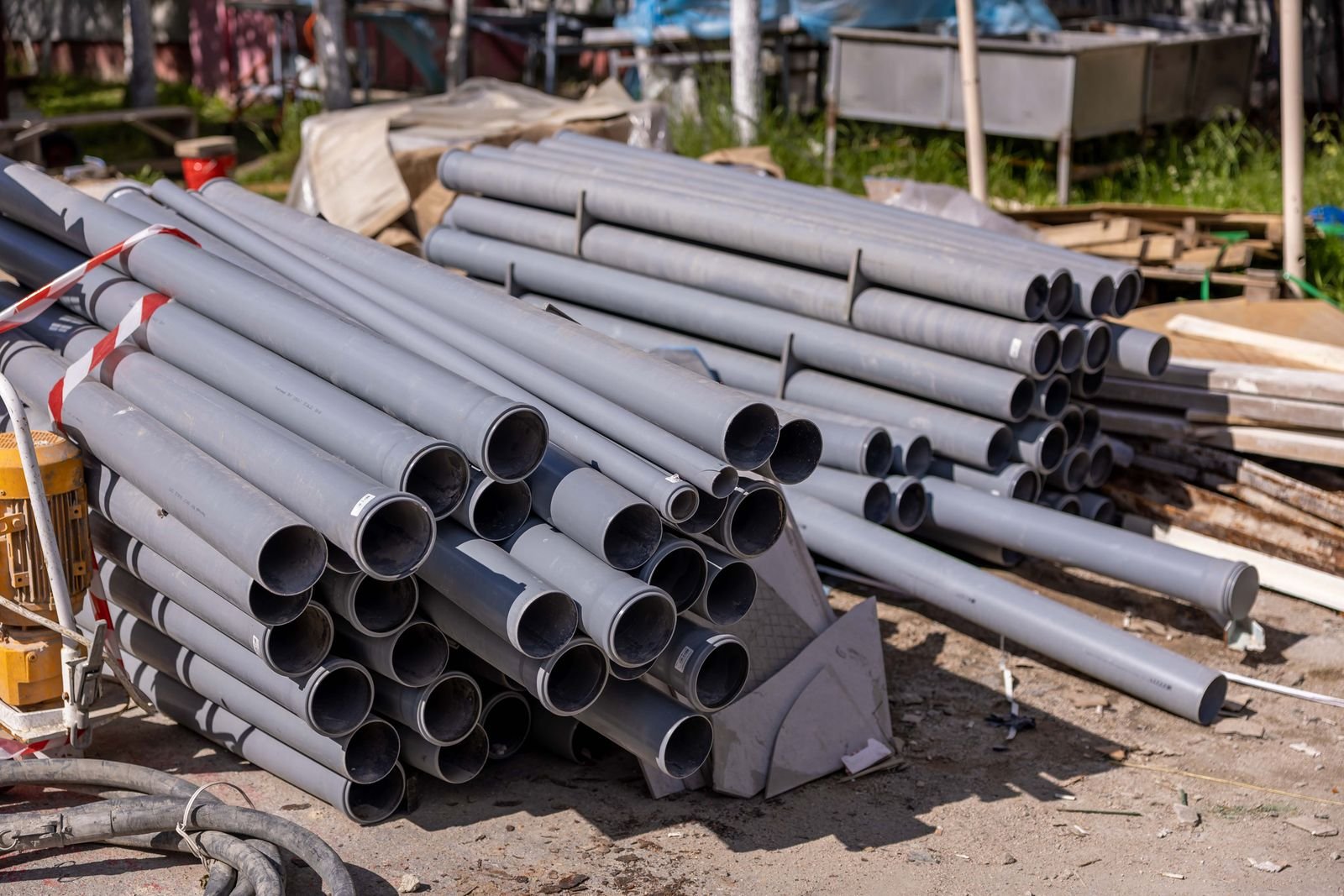
Proper installation is just as important as pipe quality when it comes to a reliable sewerage system. Here are a few best practices to keep in mind when working with PVC sewerage pipes:
- Bedding and support: Pipes should be laid on a firm, uniform bed - typically compacted sand or fine granular material - to avoid point loading and future settlement.
- Correct slope: Sewerage lines need a consistent gradient (commonly 1:60 to 1:100 depending on pipe diameter) to maintain adequate flow velocity and prevent solids from settling.
- Joint sealing: Use solvent cement or rubber-ring joints as specified by the pipe manufacturer, and allow adequate curing time before backfilling or pressure testing.
- Backfilling: Backfill in layers, compacting each layer to avoid damaging the pipe or leaving voids that could cause future ground settlement.
Following these steps helps ensure a sewerage system that performs reliably for its full design life.